If you've shopped for a popular SUV, hatchback, or EV anywhere in North India recently, you've probably heard some version of this sentence from a salesperson: "Sir, that model has a 4-month wait everywhere — but I can get it for you from Chandigarh in 10 days."
It sounds like a win. And often, it is — Chandigarh has genuinely become one of the fastest-moving car markets in the region, thanks to quicker allotments, aggressive dealer stock rotation, and a steady flow of buyers from Punjab, Haryana, and Himachal Pradesh chasing high-demand models. But that speed comes from somewhere. And the "somewhere" is a part of the supply chain most buyers never think to ask about: stock transfers.
This is the story of what actually happens to a car between the factory and your driveway when it takes the "fast lane" through Chandigarh — and why a proper Pre-Delivery Inspection (PDI) has quietly become the single most important step before you hand over that cheque.
Why Chandigarh Has Become India's Hot-Stock Hub
A few things make Chandigarh unusually attractive for in-demand car deals:
- Faster allotments — as a Union Territory with a relatively smaller, well-organised dealer network, allocations for hot-selling models often move quicker than in larger, high-volume cities.
- A magnet for cross-border buyers — customers from neighbouring states routinely travel to Chandigarh dealerships specifically because "stock is available."
- A dealer-to-dealer redistribution hub — when a model is sold out in Delhi, Mohali, or Ludhiana, dealers frequently pull inventory from Chandigarh (or route it through Chandigarh) to fulfil bookings elsewhere.
None of this is illegal or even unusual — it's how the modern auto retail supply chain works. The problem isn't that stock gets moved. The problem is what that movement can quietly do to the car itself, and how little of it shows up on the invoice.
The Hidden Threat: What "Stock Transfer" Really Means for Your Car
When a car is reallocated from one dealer, city, or state to another to meet demand, it usually goes through one or more of the following before it ever reaches you:
1. Extended yard time. A car built and invoiced months ago may sit in a stockyard or transit hub waiting for reallocation. That's months of exposure to sun, dust, humidity, and — for EVs — a battery pack that isn't being actively managed.
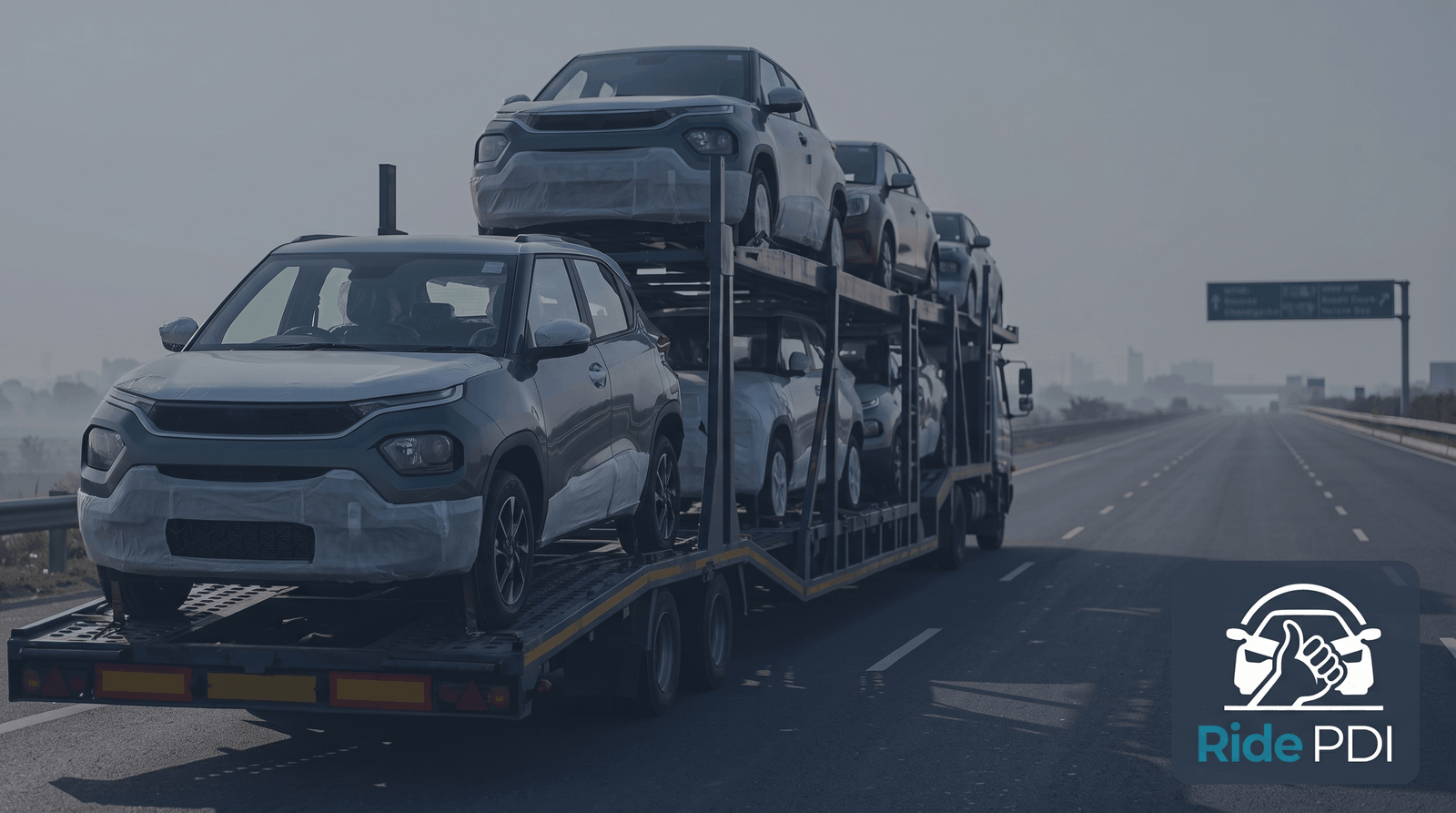
2. Multiple handling and transport legs. Every additional loading, transport, and unloading cycle is another chance for a scuff, a misaligned panel, a scratched underbody, or a knock that gets "touched up" rather than disclosed.
3. Unofficial mileage. Cars used for inter-dealer demo runs, transport testing, or "showroom to showroom" drives can rack up real kilometres that never make it into any paperwork you see. A dashboard reading alone won't tell you the full story — and dashboard odometers can be reset or tampered with far more easily than most buyers realise.
4. A manufacture-to-delivery date gap. A car "billed" months ago to secure allocation, then held and transferred to satisfy a different buyer later, may be technically "new" on paper while carrying a battery, tyres, and fluids that have already been ageing in storage — quietly eating into the effective life of your warranty.
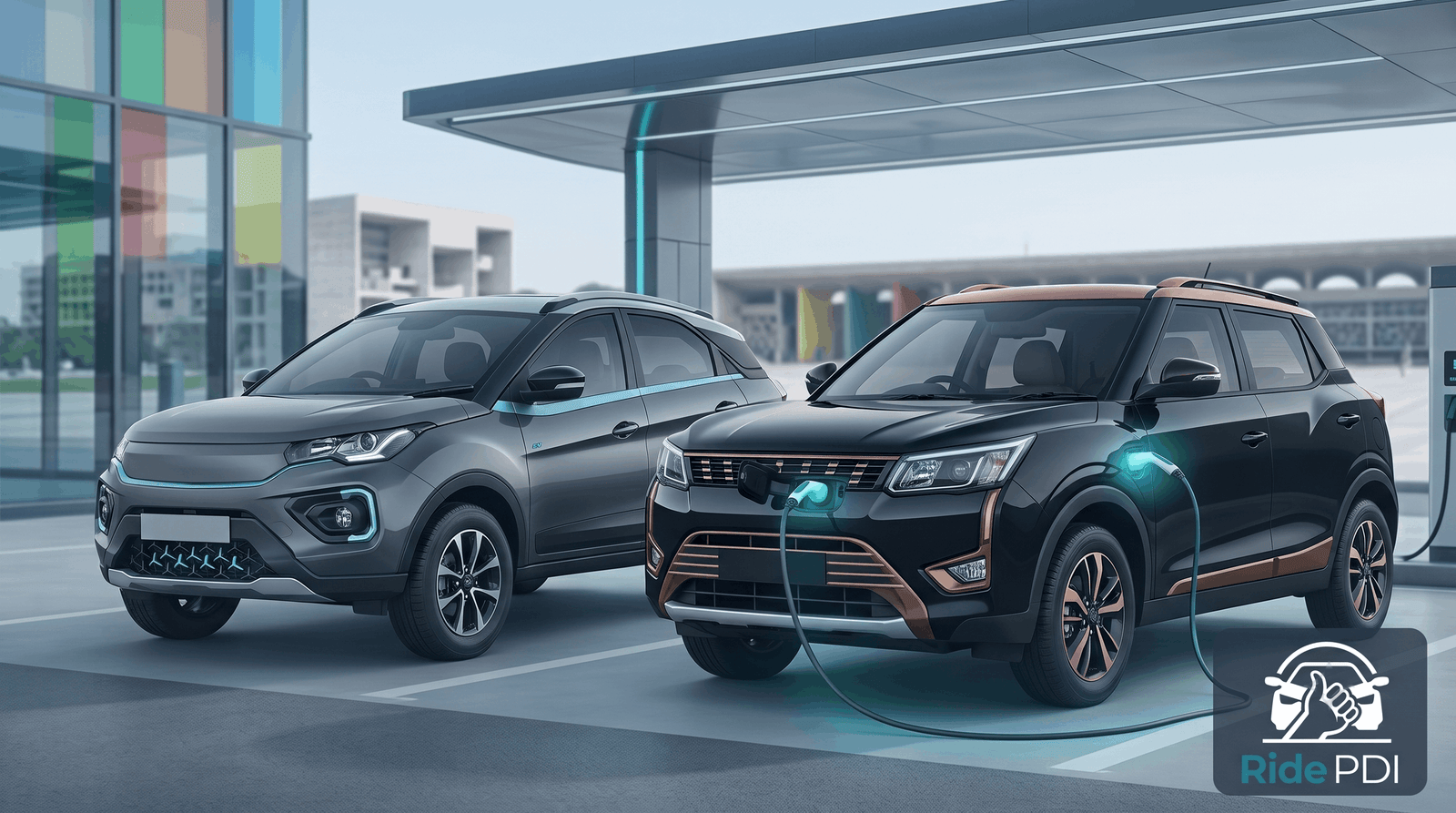
5. EV-specific degradation risk. Lithium-ion battery packs don't like sitting idle at extreme states of charge for extended periods. A stock-transferred EV that's spent weeks or months in a yard without proper battery management can have measurably different battery health than one delivered fresh from the plant — something no dashboard indicator will ever show you.
Individually, each of these risks is manageable. Combined and hidden, they add up to a buyer paying full "new car" price for a vehicle with a past they were never told about.
Why "It Looked Fine at the Showroom" Isn't Good Enough Anymore
Here's the uncomfortable truth: most of these issues are invisible to the naked eye. Touch-up paint matches factory finish closely enough to fool most buyers. A reset trip meter looks identical to a genuinely low-mileage car. A degraded EV battery can still show a full charge indicator on delivery day and only reveal its true capacity months later, when range starts dropping faster than it should.
This is exactly why a walkthrough with the salesperson — however well-intentioned — isn't a substitute for an independent, technical inspection before you sign.
How Ride PDI Closes the Gap
This is where Ride PDI comes in — built specifically to catch what a showroom walkaround can't.
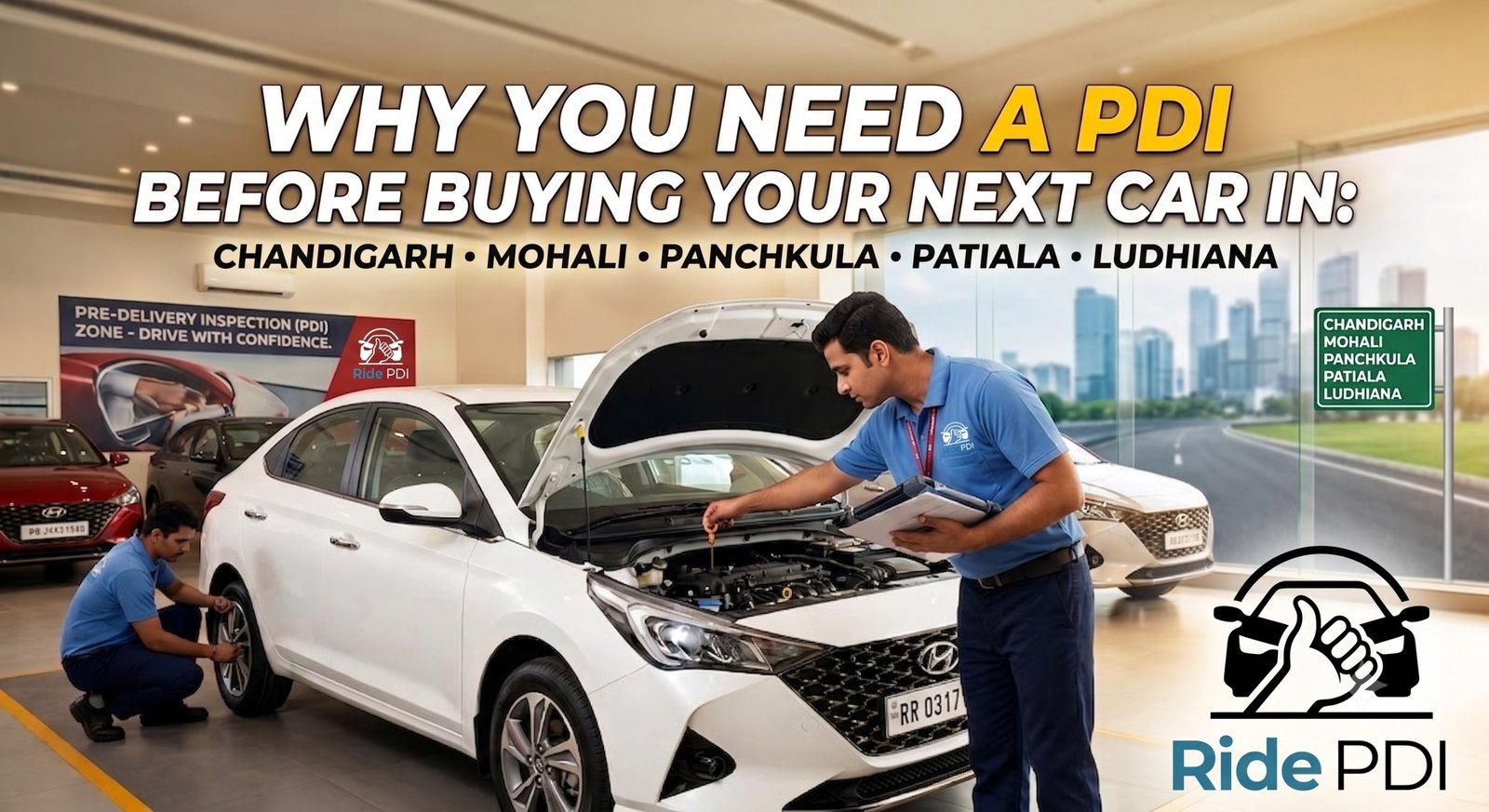
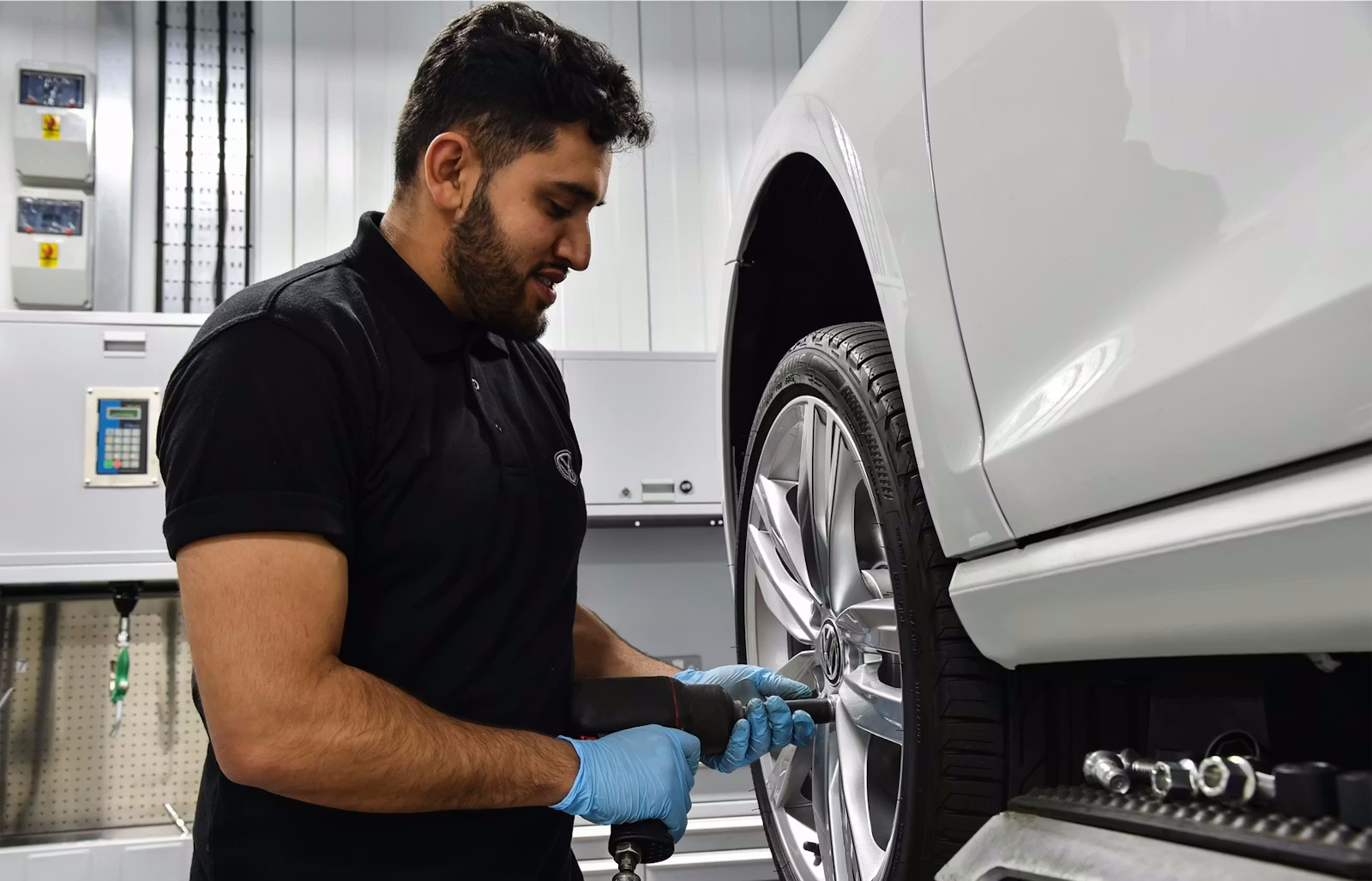
Every inspection includes a full baseline PDI report covering the essentials any buyer should demand: exterior paint thickness and panel alignment, engine and fluid health, suspension and undercarriage checks, electricals, AC performance, tyre condition and manufacture dates, interior fit and finish, and a complete document cross-check against the invoice.
Genuine odometer verification — not just a dashboard reading. Ride PDI's technicians connect directly to the vehicle's ECU (Engine Control Unit) and TCU (Transmission Control Unit) via OBD-II diagnostics to pull the mileage stored in the car's own internal modules. Because this reading is logged independently of the dashboard display, it's far harder to disguise than a simple trip-meter reset — giving you a genuine, technical answer to "how many kilometres has this car actually done?" before you take delivery.
A dedicated EV Battery Health Report. For electric vehicles, Ride PDI goes a step further with proprietary software that generates a separate, EV-specific report — covering battery state of health (SoH), cell balance, charge cycle data, and thermal system performance. This is critical precisely because of the stock-transfer risk described above: a battery that's spent extended time sitting in storage can look perfectly normal on a delivery-day charge indicator while already carrying invisible wear. The EV report gives you hard data instead of a guess.
A Quick Checklist Before You Take Delivery of a Chandigarh-Sourced Car
Before you accept delivery on a hot-selling model sourced through a stock transfer, it's worth asking:
- What is the manufacturing date on the invoice versus today's date? A large gap is worth questioning.
- Has this specific unit been transferred from another dealer or city? Ask directly.
- Can I get an independent PDI report before final payment — not just a showroom walkaround?
- For EVs: can I see an actual battery health reading, not just the dashboard charge percentage?
- Does the odometer reading match what's on the delivery documentation, verified through the vehicle's own systems rather than the dashboard alone?
If a dealer hesitates on any of these, that hesitation is itself useful information.
The Bottom Line
Chandigarh's fast-moving car market is a genuine advantage for buyers who want a popular model without a months-long wait. But speed in the supply chain doesn't automatically mean transparency about what that car has been through to get to you. A stock-transferred vehicle can be a perfectly good car — or it can be one quietly carrying extra kilometres, ageing components, or reduced battery health that only shows up after the sale is final and the warranty clock has already started.
The fix isn't to avoid these deals. It's to verify before you commit. A technical, independent PDI — including a genuine ECU/TCU-based mileage check and, for EVs, a real battery health report — turns "trust me, it's fine" into a data-backed decision you can actually stand behind.
Book a Ride PDI inspection before your next delivery — because the best time to find a problem is before you've paid for it, not after.
Book Pre-Delivery Inspection
Inspect Before You Accept - Get a comprehensive 280+ point inspection of your new car before taking delivery.